
What to Do If Animal Control Takes Your Dog: Essential Information for Pet Owners
By Fenton Mendoza · · 4 min read
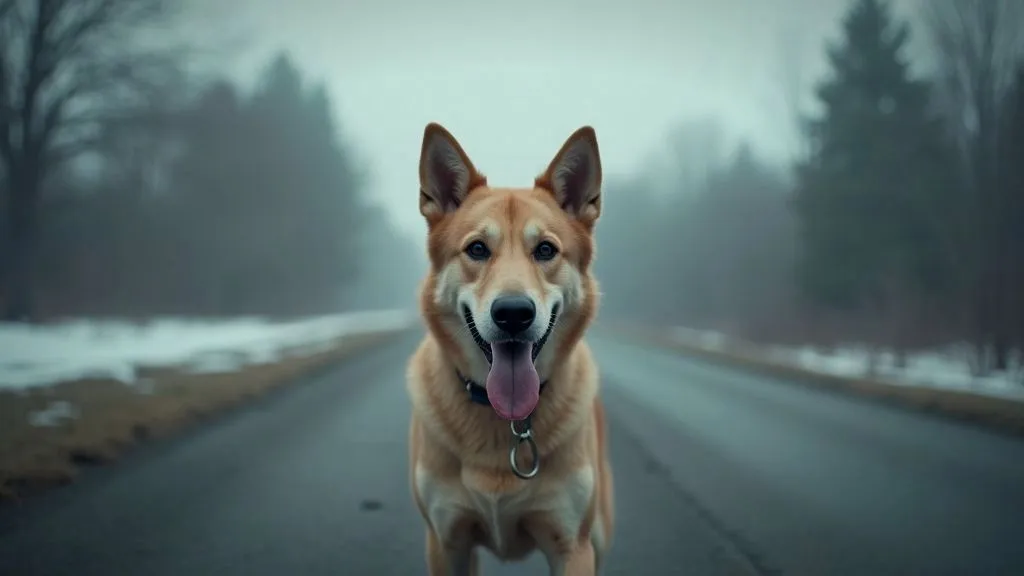
When it comes to pet ownership, navigating the laws concerning animal control can be a daunting task. Many pet owners may wonder, “Can animal control take my dog?” Understanding the circumstances in which animal control can intervene is crucial for safeguarding your beloved pet.
What Triggers Animal Control to Intervene?
Animal control agencies exist to enforce local ordinances related to pet welfare and public safety. Here are some common scenarios that may prompt them to take action:
Dangerous Behavior
If your dog has been reported for aggressive behavior, animal control may investigate the claim. This could include biting incidents, attacking other animals, or threatening people. Such behaviors can lead to potential legal repercussions for the owner, and animal control may decide to remove the dog for public safety.
Neglect or Abuse
Reports of neglect or abuse can lead to immediate intervention. If someone observes a dog being left in hazardous conditions—such as extreme temperatures without shelter, lack of food or water, or visible signs of injury—animal control can step in. They may remove the animal from the situation and place it in a safe environment.
Stray Dogs
If your dog is found wandering without a leash or owner, it may be considered a stray. Animal control has the authority to pick up stray animals for their safety and the safety of the community. This is often done to prevent accidents or incidents involving unrestrained pets.
The Process of Animal Control Intervention
If animal control becomes involved, it’s essential to understand how the process typically works.
Initial Report
The process usually begins with a complaint from a member of the public. This report can be made anonymously, and animal control will typically investigate the claim. They may contact the dog owner for information or visit the location in question.
Investigation
During the investigation, animal control officers will assess the situation. This may include examining the living conditions of the dog, speaking with witnesses, and determining whether any laws have been violated.
Possible Outcomes
Based on their findings, animal control may take several actions:
- Warning: If the dog is not deemed a threat and the owner demonstrates compliance with local laws, they may receive a warning and be given a chance to rectify any issues.
- Temporary Removal: In cases of severe neglect or immediate danger, the dog may be temporarily removed from the owner’s custody while the situation is resolved.
- Permanent Seizure: For serious violations, such as confirmed abuse or repeated aggressive behavior, the agency may permanently take custody of the dog.
What Are Your Rights as a Pet Owner?
As a pet owner, you have certain rights when it comes to your dog. Understanding these rights is important for protecting yourself and your pet.
Right to Due Process
If animal control decides to remove your dog, you generally have the right to appeal the decision. This means you can request a hearing to contest the seizure, where you can present evidence and explain your side of the story.
Right to Retrieve Your Dog
Once the initial investigation has concluded, you may have the right to reclaim your dog, especially if the removal was deemed unnecessary. However, this may come with conditions, such as completing mandatory training or ensuring better living conditions.
Legal Representation
If faced with serious legal issues, you might consider seeking legal advice. An attorney specializing in animal law can provide guidance on your rights and the best course of action.
What to Do If Your Dog Is Taken
If you find yourself in the unfortunate situation of having your dog taken by animal control, here are steps you can take:
Remain Calm
While this situation is undoubtedly stressful, it’s crucial to stay composed. Acting aggressively can escalate the situation and may complicate your ability to get your dog back.
Gather Information
Find out the reasons why animal control took your dog. Request to see any reports or evidence that led to this decision. This information will help you understand your options moving forward.
Follow Legal Procedures
Ensure you understand the legal procedures for reclaiming your dog. This may involve attending a hearing or paying fines. Complying with these requirements can expedite the process of getting your pet back.
Preventative Measures to Protect Your Dog
While it’s essential to know how to respond if animal control becomes involved, taking proactive steps can help you avoid such situations altogether.
Proper Training and Socialization
Investing in obedience training and socialization for your dog can reduce the likelihood of aggressive behavior. A well-behaved dog is less likely to provoke complaints from others.
Responsible Ownership
Ensure that your dog is always leashed or contained in a secure area when outside. Regularly check your property for hazards, and provide ample food, water, and shelter.
Licensing and Vaccination
Keep your dog licensed and up to date on vaccinations. This not only helps comply with local regulations but also shows that you are a responsible pet owner.
Community Engagement
Building good relationships with your neighbors can also help. If you’re on friendly terms with those nearby, they may be less likely to report your dog for minor infractions. Engage in community events and educate others about responsible pet ownership.